If you have ever sat in a dental chair and wondered what is actually happening during your visit, you are not alone. A routine dental cleaning and exam might seem simple on the surface, but there is a lot more going on than just polishing your teeth. Every step is designed with a purpose, and each part of the visit plays a role in protecting your oral health and catching potential issues early. Understanding what to expect can make the experience feel more comfortable and help you see the real value behind staying consistent with your dental care.
When you arrive for your appointment, the visit usually begins with a quick review of your health history. This might feel like a small detail, but it is an important step. Your oral health is connected to your overall health, so changes in medications, conditions, or lifestyle can impact how your dental team approaches your care. This is also a good time to bring up any concerns you have been noticing, whether it is sensitivity, discomfort, or something that just does not feel right. The more your dentist knows, the better they can tailor the visit to your needs.
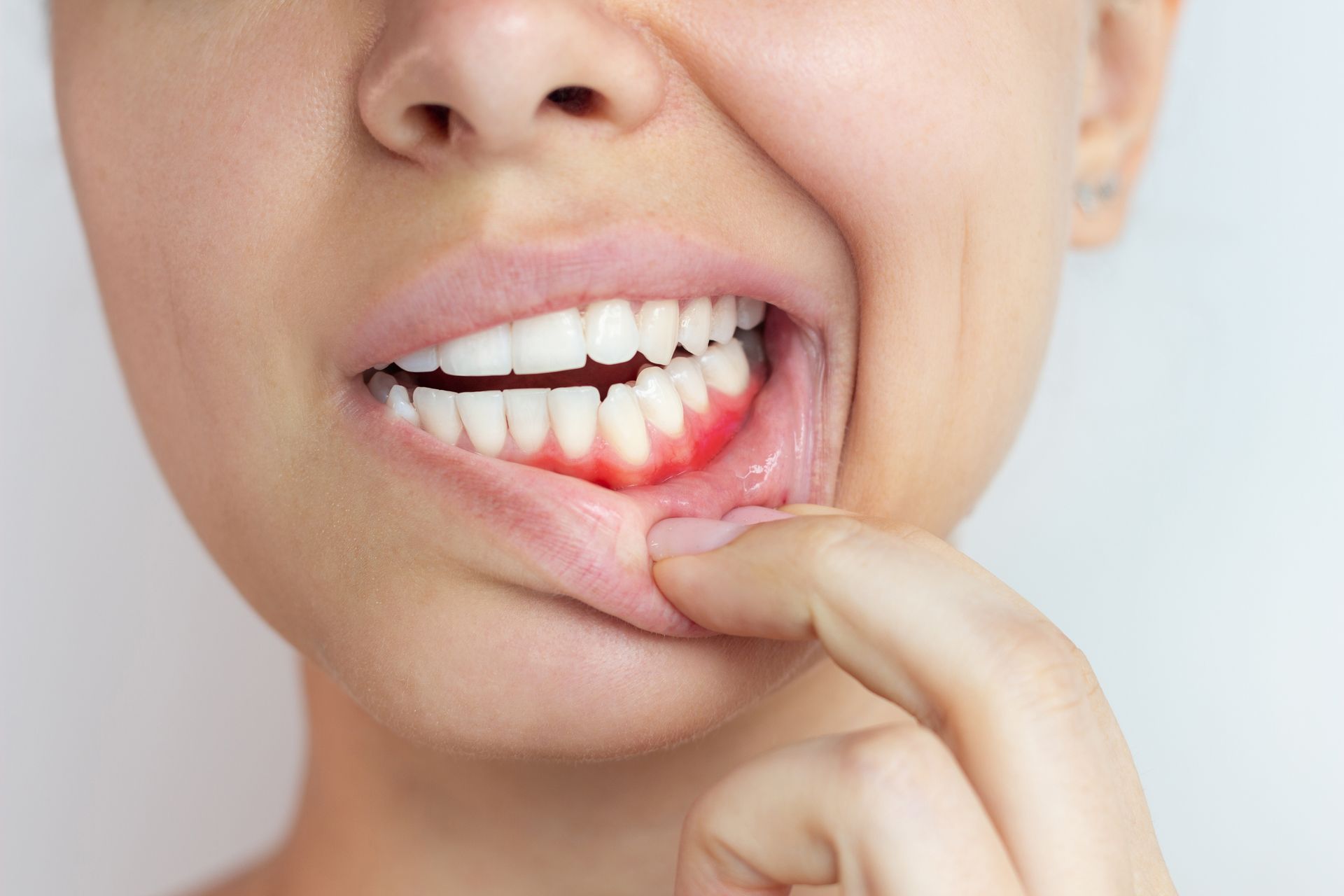
The next step often involves taking a closer look at your teeth and gums. Your dentist or hygienist will carefully examine your mouth to check for signs of cavities, gum inflammation, or other concerns. They are not just looking for obvious problems, they are also paying attention to subtle changes that might not be visible to you yet. Early detection is one of the biggest advantages of routine visits. Catching something early can mean the difference between a simple fix and a more involved treatment later on.
Once the exam begins, the cleaning portion of your visit usually starts with removing plaque and tartar buildup. Even if you brush and floss regularly, there are areas in your mouth that are difficult to reach. Over time, plaque can harden into tartar, which cannot be removed with a toothbrush alone. Your hygienist uses specialized tools to gently remove this buildup from your teeth and along the gumline. This process helps prevent cavities and reduces the risk of gum disease. While it might feel a little uncomfortable at times, it is one of the most important parts of keeping your mouth healthy.
After the buildup is removed, your teeth are polished to create a smooth, clean surface. This step not only makes your teeth feel fresh, but it also helps reduce the likelihood of plaque sticking to your teeth in the future. The polishing paste has a slightly gritty texture, which helps lift surface stains and leaves your smile looking brighter. It is often one of the most satisfying parts of the visit because you can immediately feel the difference.
Flossing is another step that is included in a routine cleaning, even if you floss at home. Your hygienist will floss between each tooth to remove any remaining debris and to check for areas where your gums might be sensitive or prone to bleeding. This can provide valuable insight into your gum health and highlight areas that may need extra attention in your daily routine. If there are spots that tend to bleed or feel tender, your dental team can guide you on how to improve your technique at home.
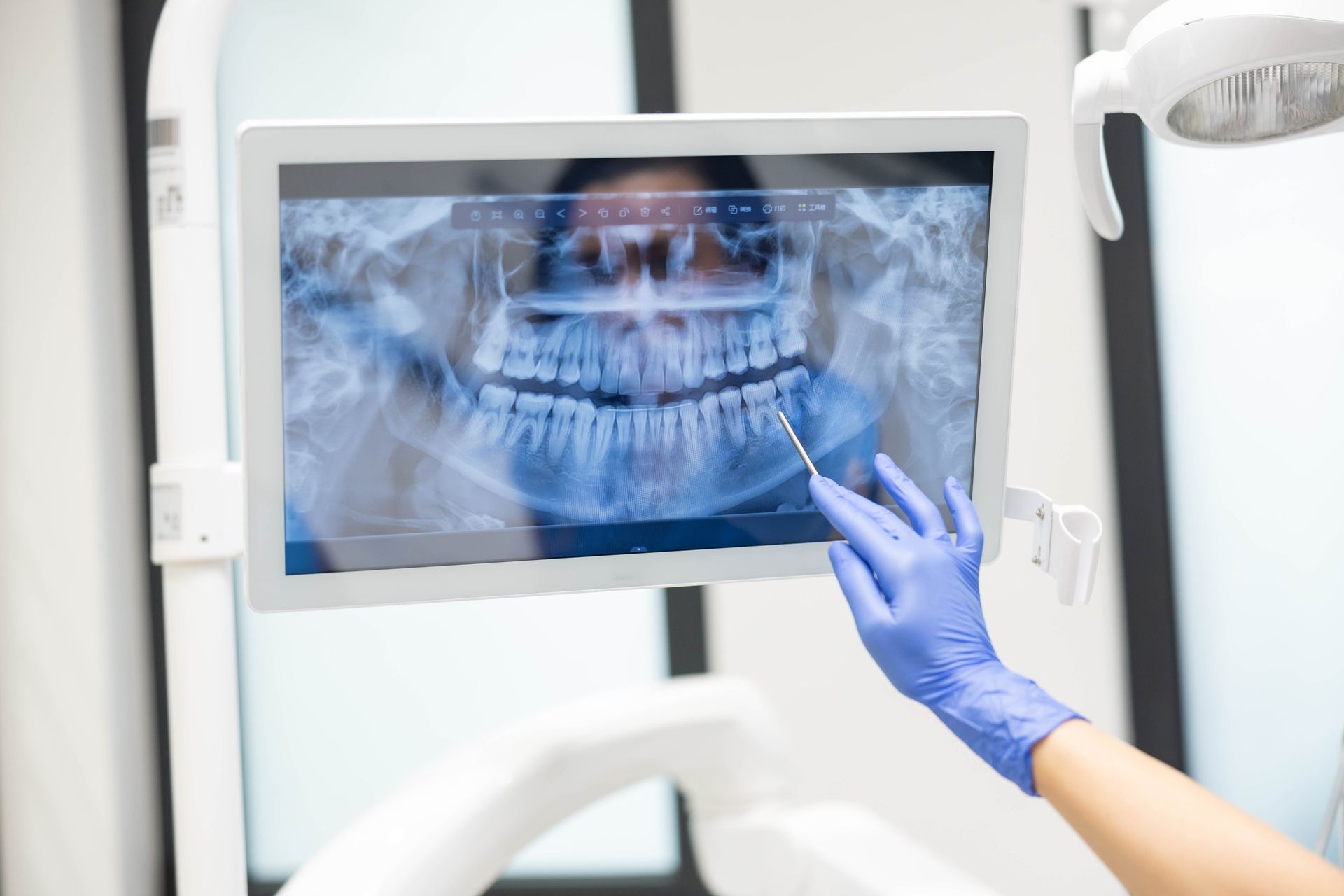
In some cases, your visit may also include dental X rays. These images allow your dentist to see what is happening beneath the surface of your teeth and gums. X rays can reveal issues that are not visible during a standard exam, such as cavities between teeth, bone loss, or problems with the roots of your teeth. While they are not always taken at every visit, they are an important tool for getting a complete picture of your oral health.
After the cleaning is complete, your dentist will perform a more detailed exam. This is when they evaluate everything from your bite to the condition of your existing dental work. They may check for signs of wear, cracks, or other changes that could lead to problems if left untreated. This is also when they screen for conditions like oral cancer by examining your soft tissues, including your tongue, cheeks, and throat. These screenings are quick but incredibly important, as they can help detect serious issues in their earliest stages.
One of the most valuable parts of your visit is the conversation that follows. Your dentist will discuss their findings with you and explain any recommendations for treatment or follow up care. This is your opportunity to ask questions and get a clear understanding of your oral health. Whether everything looks great or there are a few areas to address, having that clarity helps you make informed decisions about your care moving forward.
Routine dental visits are not just about fixing problems, they are about preventing them in the first place. When you stay consistent with cleanings and exams, you are giving yourself the best chance to maintain a healthy smile over time. Small issues can be managed before they turn into bigger concerns, and you can feel confident knowing that your oral health is being monitored by a professional who understands what to look for.
For many patients in Hendersonville, these visits also become an opportunity to build a relationship with their dental team. When you feel comfortable and supported, it becomes much easier to stay on track with your care. A good dental office will take the time to explain what they are doing, listen to your concerns, and make sure you feel at ease throughout the process. That level of trust can make a significant difference in how you approach your dental health.
If it has been a while since your last cleaning and exam, you might be unsure of what to expect or even a little hesitant to schedule an appointment. The reality is that the sooner you come in, the easier it is to get back on track. Your dental team is there to help, not judge, and their goal is to support you in achieving a healthy smile that lasts.
Taking care of your teeth does not stop at brushing and flossing at home. Regular dental visits play a key role in maintaining your oral health and preventing issues before they start. A routine cleaning and exam may seem simple, but it is one of the most effective ways to protect your smile and your overall well being.