Dental issues do not always happen at a convenient time. You might be going about your day when sudden pain, a broken tooth, or swelling appears out of nowhere. In those moments, it can be hard to know whether you should wait it out or call a dentist right away. Understanding what qualifies as a dental emergency can help you take the right action quickly and avoid making the situation worse.
One of the clearest signs that you need immediate dental care is severe tooth pain. Pain that does not go away or continues to worsen is often a sign that something more serious is happening beneath the surface. It could be related to an infection, deep decay, or damage to the tooth. Waiting too long can allow the issue to progress, which may lead to more complicated treatment. If the pain is intense or persistent, it is best to contact a dentist as soon as possible.
A knocked out tooth is another situation that requires urgent attention. In some cases, the tooth can be saved if you act quickly. Handling the tooth carefully and keeping it moist while you seek care can improve the chances of successful treatment. Time is a critical factor in these situations, which is why reaching out to a dental office right away is so important.
Broken or cracked teeth can also fall into the category of dental emergencies, depending on the severity. A small chip may not require immediate care, but a larger break that exposes the inner part of the tooth or causes pain should be addressed quickly. These types of injuries can leave the tooth vulnerable to infection and further damage. Seeking care early helps protect the tooth and allows for a more effective repair.
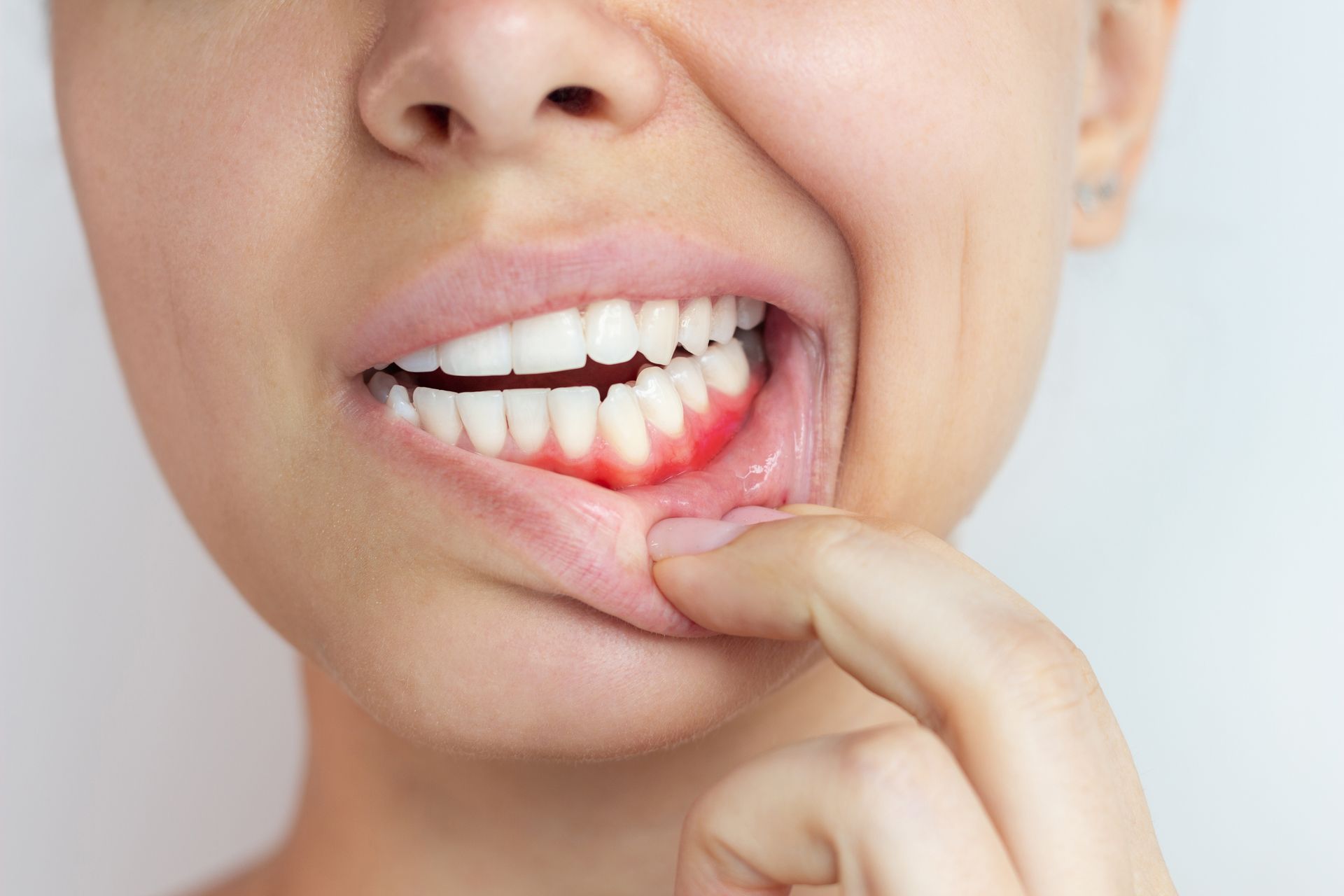
Swelling in the gums, face, or jaw is another sign that you should not ignore. Swelling can indicate an infection, which has the potential to spread if it is not treated. You may also notice redness, tenderness, or a bad taste in your mouth. These symptoms often point to an issue that needs prompt attention. Addressing it early can help prevent more serious complications and provide relief.
Bleeding that does not stop is also a reason to seek emergency care. While minor bleeding can sometimes occur with irritation or injury, ongoing bleeding may indicate a deeper issue. Applying gentle pressure can help in the short term, but it is important to have the source of the bleeding evaluated by a professional.
In some cases, dental emergencies are not as obvious but still require attention. A lost filling or crown, for example, may not cause immediate pain, but it leaves the tooth exposed and more vulnerable. This can lead to sensitivity or further damage if not addressed. Contacting your dentist allows you to protect the tooth and restore it before additional issues develop.
Knowing when something can wait and when it cannot is an important part of managing your oral health. If you are unsure, it is always better to reach out and ask. A dental office can help you determine the urgency of the situation and guide you on what to do next. This can provide peace of mind and ensure that you are taking the right steps.
For patients in Hendersonville, having access to a dental team that can respond quickly makes a big difference. When you know who to call and what to expect, it becomes easier to handle unexpected situations. Prompt care not only addresses the immediate issue but also helps prevent it from becoming more serious.
While waiting for your appointment, there are a few things you can do to manage discomfort. Avoid chewing on the affected side, keep the area clean, and stay away from foods that could irritate the tooth. Over the counter pain relief may help temporarily, but it should not replace professional care. The goal is to protect the area until you can have it properly evaluated.
It is also helpful to think about prevention when it comes to dental emergencies. Wearing a mouthguard during sports, avoiding habits like chewing on hard objects, and staying consistent with regular dental visits can reduce the risk of unexpected issues. While not every situation can be prevented, taking these steps can lower the chances of experiencing a dental emergency.
Dental emergencies can feel overwhelming, especially when they happen without warning. Having a clear understanding of what to look for and when to take action can make the situation more manageable. The key is to respond quickly and seek professional care when needed.
If you are experiencing symptoms that feel urgent, do not wait to reach out. A simple call can help you get the guidance and care you need. Addressing the issue early can make a significant difference in both your comfort and your overall outcome.
Your oral health is something that deserves attention, even in unexpected moments. Knowing when to act and having a plan in place can help you handle dental emergencies with confidence and ensure that your smile stays protected.