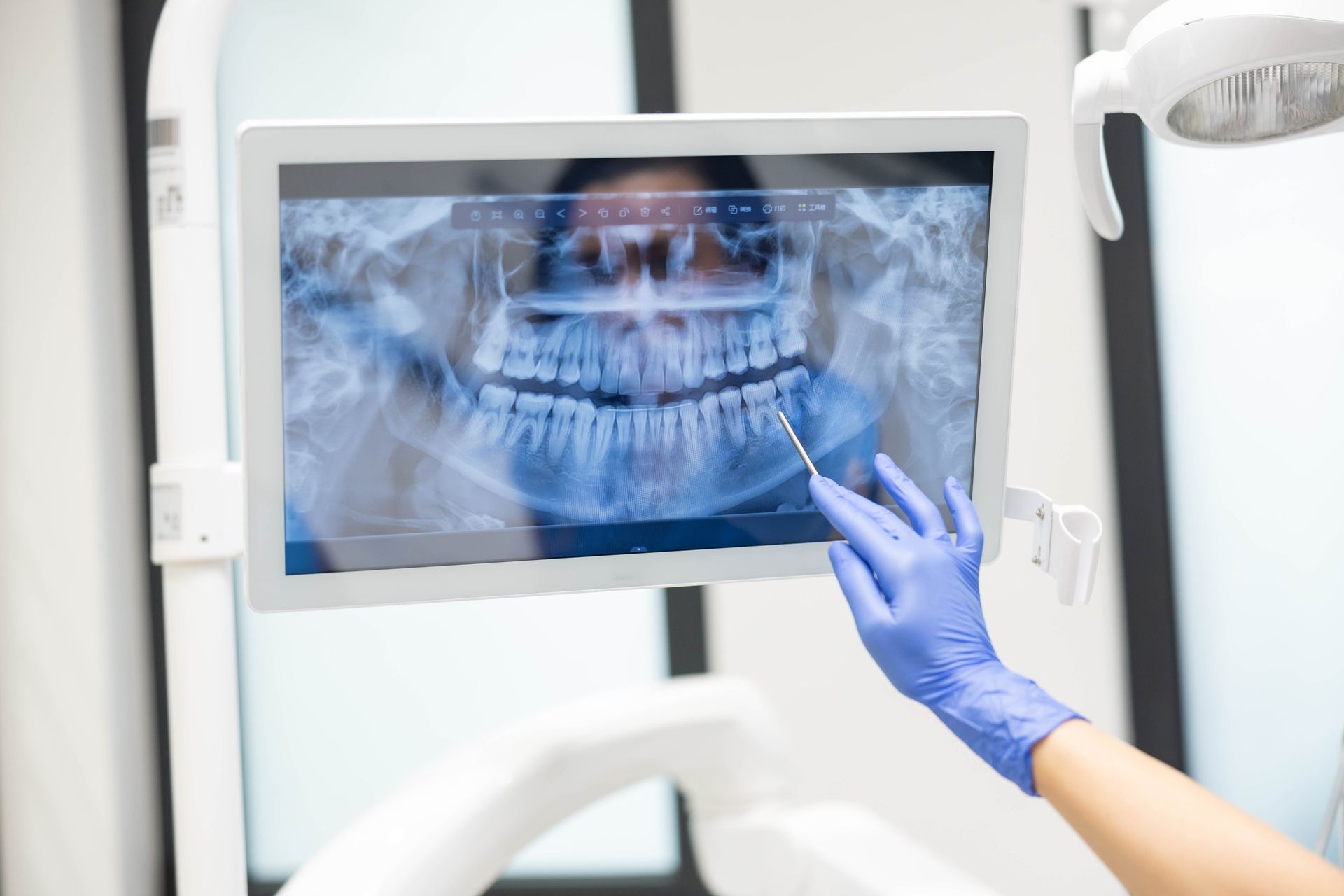
Tooth pain has a way of getting your attention quickly. It might start as a mild discomfort when you eat something cold or turn into a persistent ache that is hard to ignore. No matter how it shows up, it usually leaves you wondering what is causing it and whether it is something that needs immediate attention. Understanding the common reasons behind tooth pain can help you take the right next step and avoid letting a small issue turn into something more serious.
One of the most common causes of tooth pain is tooth decay. Cavities form when bacteria break down the surface of the tooth, creating small openings that expose the inner layers. In the early stages, you may not feel anything at all. As the decay progresses, you might notice sensitivity or discomfort, especially when eating sweets or drinking something hot or cold. If left untreated, the pain can become more intense as the decay reaches deeper into the tooth.
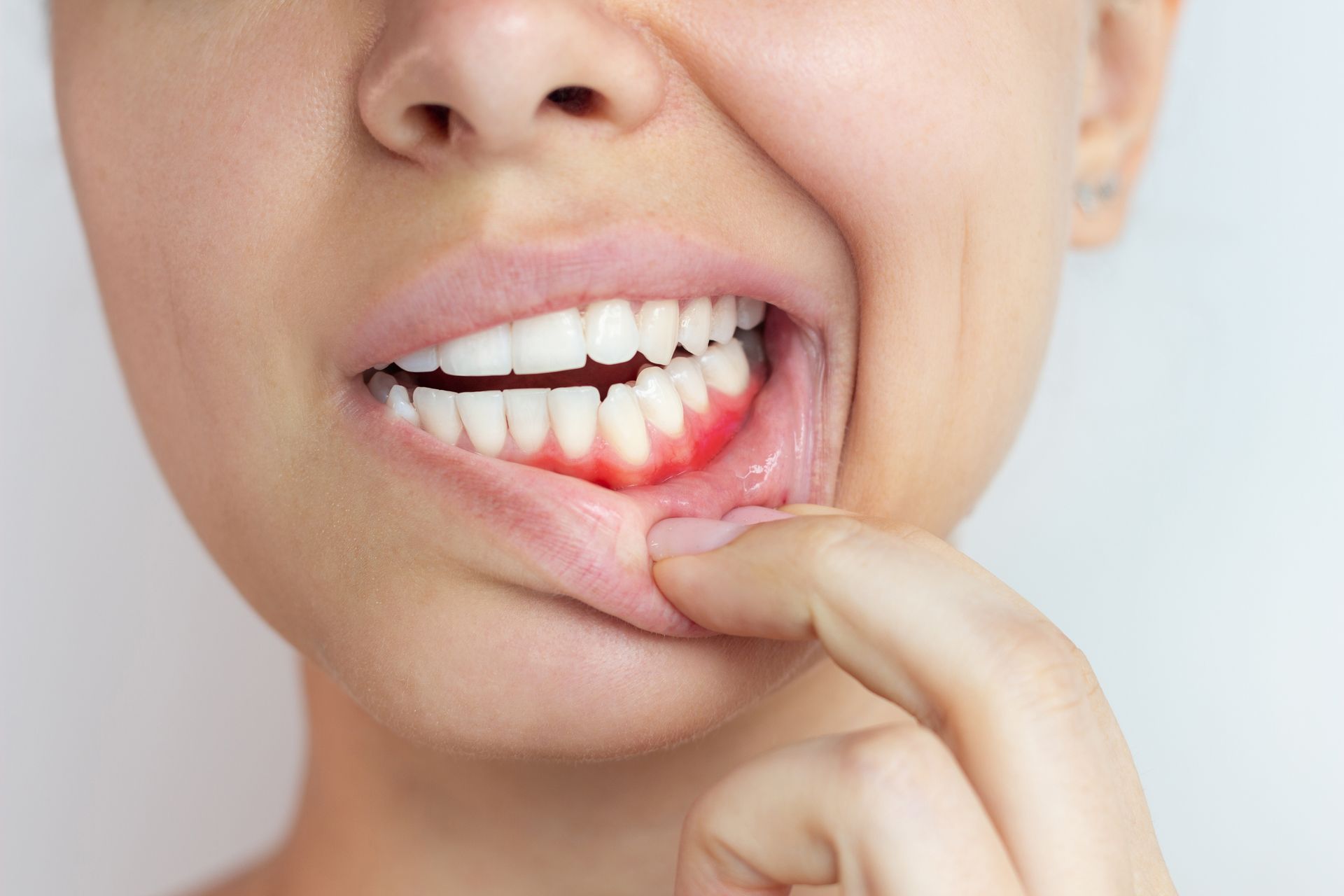
Gum issues are another frequent source of discomfort. When the gums become irritated or inflamed, they can cause tenderness around the teeth. You may notice redness, swelling, or bleeding when brushing or flossing. This type of pain is often related to plaque buildup along the gumline. Addressing it early can help prevent more advanced gum problems that could affect the stability of your teeth over time.
Tooth sensitivity is something many people experience, and it can have several causes. It may be related to worn enamel, exposed roots, or even minor cracks in the tooth. Sensitivity often shows up as a sharp sensation when you eat or drink something hot, cold, or sweet. While it can sometimes be managed with changes in your routine, it is still important to have it evaluated to make sure there is not an underlying issue that needs treatment.
A cracked or damaged tooth can also lead to pain, even if the damage is not immediately visible. Small cracks can develop from biting down on hard foods or from everyday wear over time. These cracks can allow bacteria to enter the tooth, leading to discomfort or infection. Pain from a cracked tooth may come and go, which can make it harder to identify without a professional exam.
In some cases, tooth pain may be related to an infection inside the tooth. When the inner tissue becomes infected, it can cause a deep, persistent ache that may be accompanied by swelling or sensitivity to pressure. This type of pain often requires more immediate attention, as the infection will not resolve on its own. Treatment is focused on removing the source of the infection and protecting the tooth from further damage.
Grinding or clenching your teeth can also contribute to tooth pain. This habit often happens without you realizing it, especially during sleep. Over time, it can lead to wear on the teeth and strain on the surrounding structures. You may notice soreness in your teeth or jaw, particularly in the morning. Addressing this issue early can help prevent further damage and reduce discomfort.
Sometimes, the source of tooth pain is not actually the tooth itself. Sinus pressure, for example, can create discomfort that feels like it is coming from your upper teeth. This is because the roots of those teeth are located near the sinus cavities. If your pain is accompanied by congestion or pressure in your face, it may be related to your sinuses rather than a dental issue. Even in these cases, it can be helpful to have your teeth evaluated to rule out other causes.
Knowing when to see a dentist is just as important as understanding the potential causes. If your tooth pain is persistent, worsening, or interfering with your daily routine, it is time to schedule a visit. Pain that lasts more than a short period or comes back repeatedly is often a sign that something needs attention. Swelling, fever, or difficulty chewing are also indicators that you should seek care as soon as possible.
For patients in Hendersonville, having access to a dental team that can evaluate your symptoms and provide clear guidance makes a big difference. Tooth pain can feel overwhelming when you do not know the cause, but a professional exam can provide answers and a plan for moving forward. The sooner you address the issue, the more options you are likely to have for treatment.
It is also important to avoid relying on temporary solutions for too long. Over the counter pain relief or home remedies may provide short term comfort, but they do not address the underlying cause. Delaying treatment can allow the problem to progress, which may lead to more involved procedures down the line. Taking action early helps protect your oral health and keeps the situation more manageable.
Your daily habits play a role in preventing tooth pain as well. Brushing and flossing consistently, along with regular dental visits, help reduce the risk of many common issues. Staying mindful of what you eat and avoiding habits that put extra stress on your teeth can also make a difference. These small steps add up over time and support a healthier, more comfortable smile.
Tooth pain is your body’s way of signaling that something is not quite right. Paying attention to that signal and responding to it promptly can help you avoid more serious problems. Whether the cause is minor or something that requires treatment, getting a clear understanding of what is happening is the first step toward relief.
If you are experiencing tooth pain, do not wait to have it checked. A simple visit can provide clarity and help you move forward with the right solution. With the right care, you can address the issue and get back to feeling comfortable in your daily life.