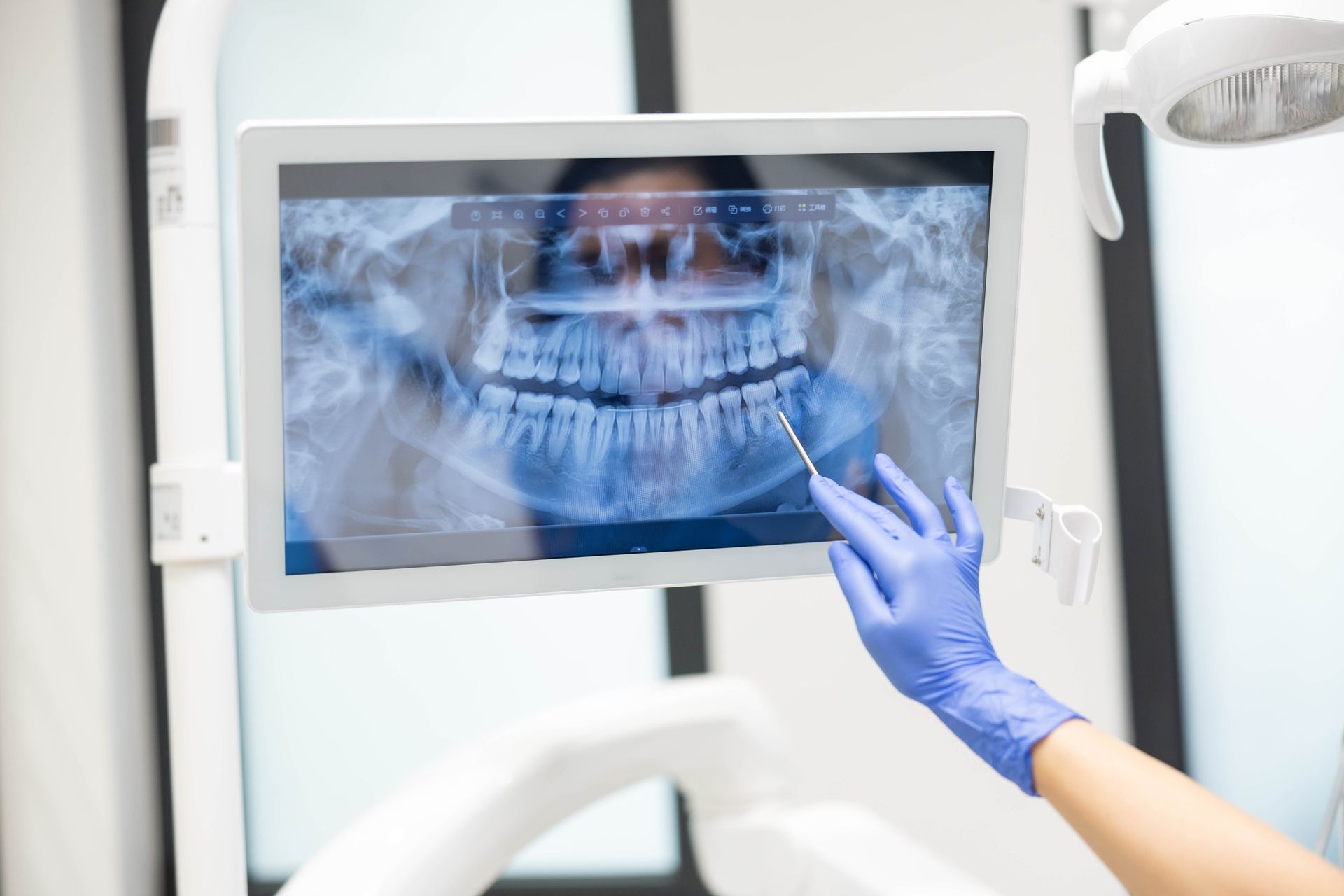
Oral Cancer Screenings: What Hendersonville Patients Need to Know

When most people think about going to the dentist, they usually focus on their teeth and gums. Cleanings, cavities, and overall oral health tend to be the main priorities. What many patients do not realize is that routine dental visits also include an important step that goes beyond your smile. Oral cancer screenings are a key part of preventative care, and they can play a critical role in protecting your overall health. These screenings are quick, painless, and often done as part of your regular exam, yet they have the potential to detect serious conditions in their earliest stages.


Oral cancer can develop in several areas of the mouth, including the tongue, lips, cheeks, gums, and throat. Like many forms of cancer, it may not present obvious symptoms early on. This is what makes routine screenings so important. When caught early, oral cancer is much more treatable and outcomes are significantly better. Without regular screenings, it can go unnoticed until it has progressed to a more advanced stage, which can make treatment more complex.


During a routine dental visit, your dentist will perform a visual and physical examination of your mouth. This involves carefully looking at the soft tissues, checking for any unusual spots, discoloration, or changes in texture. They may also gently feel along your jaw, neck, and throat to check for any lumps or irregularities. These steps are designed to identify anything that looks out of the ordinary. While this process is simple and only takes a few moments, it is a powerful tool in early detection.


One of the reasons oral cancer screenings are so effective is because your dentist sees your mouth on a regular basis. This allows them to notice changes over time that you might not pick up on yourself. A small spot or sore may not seem concerning at first, but if it persists or changes in appearance, it could signal something that needs further evaluation. Having a professional who is familiar with your oral health gives you an added layer of protection.


There are certain risk factors that can increase the likelihood of developing oral cancer. Tobacco use, whether through smoking or other forms, is one of the most significant factors. Alcohol consumption, especially when combined with tobacco use, can also raise the risk. In recent years, there has also been an increase in cases linked to certain strains of the human papillomavirus. Even with these risk factors, it is important to understand that oral cancer can develop in individuals who do not fall into these categories. This is why screenings are recommended for all patients, not just those considered high risk.


Knowing what to look for between dental visits can also be helpful. Persistent sores that do not heal, unexplained lumps, difficulty swallowing, or changes in how your mouth feels are all signs that should be evaluated. White or red patches inside the mouth, ongoing pain, or numbness are also worth paying attention to. While these symptoms do not always indicate something serious, they should not be ignored. If you notice any changes that last longer than expected, it is a good idea to schedule a visit and have them checked.


For many patients, the idea of cancer screening can feel intimidating, but the process itself is straightforward and designed to give you peace of mind. Your dentist is not looking to alarm you, they are there to ensure that everything is normal and to act quickly if something needs further attention. In most cases, screenings do not reveal anything concerning, but having that confirmation is valuable. It allows you to move forward with confidence, knowing that your health is being monitored.


If your dentist does notice something unusual, it does not automatically mean there is a serious issue. Many findings can be benign or related to other conditions that are not dangerous. However, identifying these changes early allows for proper follow up and, if necessary, referral to a specialist. Early action is always the goal, as it provides the best chance for effective treatment and positive outcomes.


Patients in Hendersonville can benefit from making oral cancer screenings a regular part of their dental routine. These screenings are not separate appointments, they are integrated into your existing visits, which makes them easy to stay consistent with. By simply keeping up with your regular checkups, you are also taking a step toward protecting yourself from something that could otherwise go unnoticed.


Another important aspect of these screenings is the opportunity for education. Your dental team can discuss risk factors, answer questions, and provide guidance on how to reduce your chances of developing oral cancer. This might include advice on lifestyle choices, awareness of symptoms, and steps you can take to maintain a healthy mouth. Having this information empowers you to take an active role in your health.


It is also worth recognizing how much dental care has evolved over time. Today, dentists are trained to look beyond just teeth and gums, taking a more comprehensive approach to patient care. Oral cancer screenings are a reflection of that approach, focusing on the whole picture rather than just one aspect of your health. This broader perspective helps ensure that nothing important is overlooked.


If it has been a while since your last dental visit, you may not have had an oral cancer screening recently. Scheduling an appointment is a simple way to get back on track and make sure everything is where it should be. These screenings are quick, noninvasive, and can provide valuable insight into your overall health.


Taking care of your smile involves more than just brushing and flossing. It includes staying proactive, keeping up with regular visits, and taking advantage of the services that are designed to protect you. Oral cancer screenings are an important part of that process, offering a level of prevention and early detection that can make a meaningful difference.


Your health is something that deserves attention and care, and small steps like routine dental visits can have a lasting impact. By staying consistent with your checkups and understanding the role of oral cancer screenings, you are giving yourself the best opportunity to stay healthy and confident in your smile.


March 24, 2026
Dental issues do not always happen at a convenient time. You might be going about your day when sudden pain, a broken tooth, or swelling appears out of nowhere. In those moments, it can be hard to know whether you should wait it out or call a dentist right away. Understanding what qualifies as a dental emergency can help you take the right action quickly and avoid making the situation worse. One of the clearest signs that you need immediate dental care is severe tooth pain. Pain that does not go away or continues to worsen is often a sign that something more serious is happening beneath the surface. It could be related to an infection, deep decay, or damage to the tooth. Waiting too long can allow the issue to progress, which may lead to more complicated treatment. If the pain is intense or persistent, it is best to contact a dentist as soon as possible. A knocked out tooth is another situation that requires urgent attention. In some cases, the tooth can be saved if you act quickly. Handling the tooth carefully and keeping it moist while you seek care can improve the chances of successful treatment. Time is a critical factor in these situations, which is why reaching out to a dental office right away is so important. Broken or cracked teeth can also fall into the category of dental emergencies, depending on the severity. A small chip may not require immediate care, but a larger break that exposes the inner part of the tooth or causes pain should be addressed quickly. These types of injuries can leave the tooth vulnerable to infection and further damage. Seeking care early helps protect the tooth and allows for a more effective repair. Swelling in the gums, face, or jaw is another sign that you should not ignore. Swelling can indicate an infection, which has the potential to spread if it is not treated. You may also notice redness, tenderness, or a bad taste in your mouth. These symptoms often point to an issue that needs prompt attention. Addressing it early can help prevent more serious complications and provide relief. Bleeding that does not stop is also a reason to seek emergency care. While minor bleeding can sometimes occur with irritation or injury, ongoing bleeding may indicate a deeper issue. Applying gentle pressure can help in the short term, but it is important to have the source of the bleeding evaluated by a professional. In some cases, dental emergencies are not as obvious but still require attention. A lost filling or crown, for example, may not cause immediate pain, but it leaves the tooth exposed and more vulnerable. This can lead to sensitivity or further damage if not addressed. Contacting your dentist allows you to protect the tooth and restore it before additional issues develop. Knowing when something can wait and when it cannot is an important part of managing your oral health. If you are unsure, it is always better to reach out and ask. A dental office can help you determine the urgency of the situation and guide you on what to do next. This can provide peace of mind and ensure that you are taking the right steps. For patients in Hendersonville, having access to a dental team that can respond quickly makes a big difference. When you know who to call and what to expect, it becomes easier to handle unexpected situations. Prompt care not only addresses the immediate issue but also helps prevent it from becoming more serious. While waiting for your appointment, there are a few things you can do to manage discomfort. Avoid chewing on the affected side, keep the area clean, and stay away from foods that could irritate the tooth. Over the counter pain relief may help temporarily, but it should not replace professional care. The goal is to protect the area until you can have it properly evaluated. It is also helpful to think about prevention when it comes to dental emergencies. Wearing a mouthguard during sports, avoiding habits like chewing on hard objects, and staying consistent with regular dental visits can reduce the risk of unexpected issues. While not every situation can be prevented, taking these steps can lower the chances of experiencing a dental emergency. Dental emergencies can feel overwhelming, especially when they happen without warning. Having a clear understanding of what to look for and when to take action can make the situation more manageable. The key is to respond quickly and seek professional care when needed.  If you are experiencing symptoms that feel urgent, do not wait to reach out. A simple call can help you get the guidance and care you need. Addressing the issue early can make a significant difference in both your comfort and your overall outcome. Your oral health is something that deserves attention, even in unexpected moments. Knowing when to act and having a plan in place can help you handle dental emergencies with confidence and ensure that your smile stays protected.
March 24, 2026
The body content of your post goes here. To edit this text, click on it and delete this default text and start typing your own or paste your own from a different source.
March 24, 2026
The body content of your post goes here. To edit this text, click on it and delete this default text and start typing your own or paste your own from a different source.
March 24, 2026
The body content of your post goes here. To edit this text, click on it and delete this default text and start typing your own or paste your own from a different source.
March 24, 2026
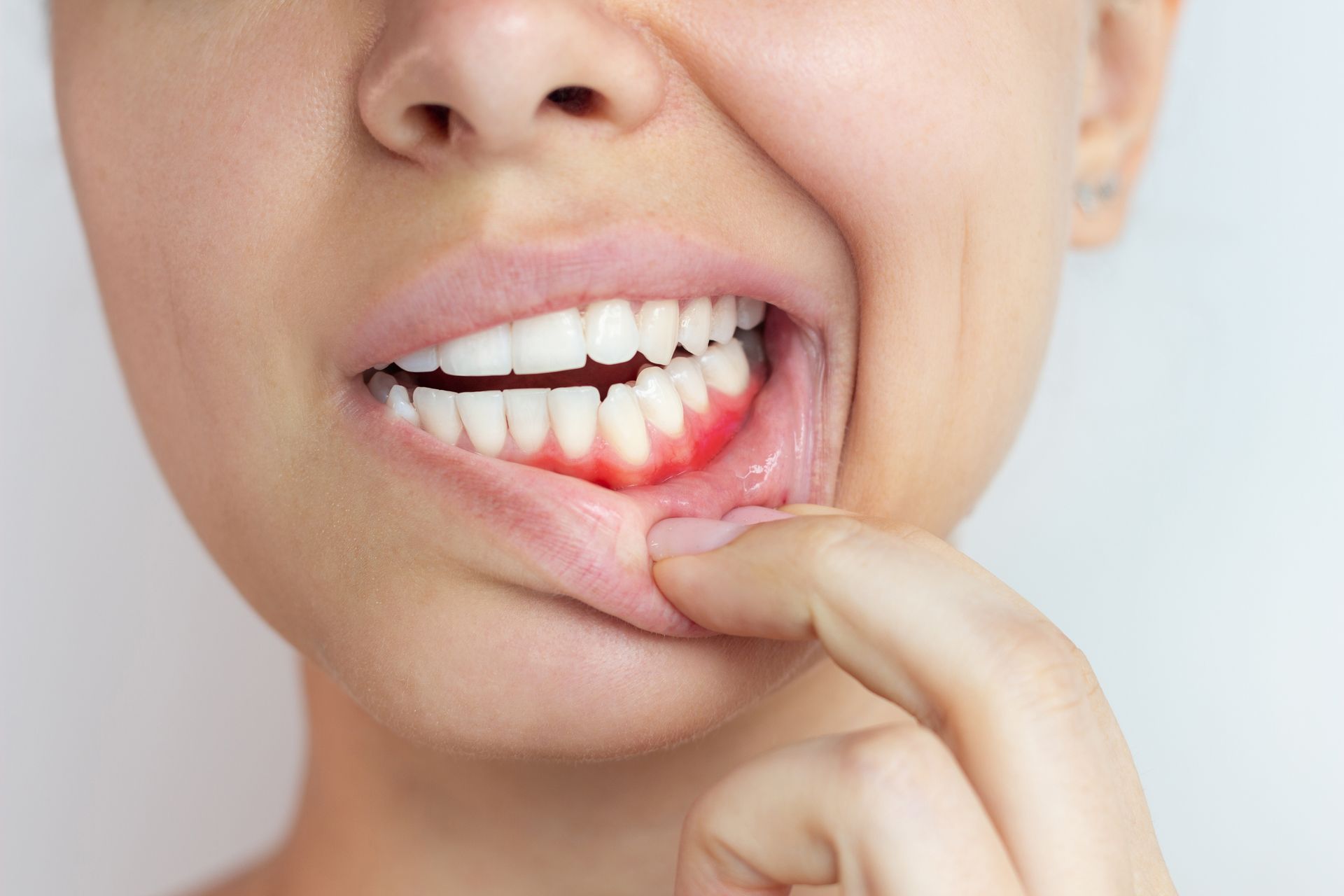
Tooth pain has a way of getting your attention quickly. It might start as a mild discomfort when you eat something cold or turn into a persistent ache that is hard to ignore. No matter how it shows up, it usually leaves you wondering what is causing it and whether it is something that needs immediate attention. Understanding the common reasons behind tooth pain can help you take the right next step and avoid letting a small issue turn into something more serious. One of the most common causes of tooth pain is tooth decay. Cavities form when bacteria break down the surface of the tooth, creating small openings that expose the inner layers. In the early stages, you may not feel anything at all. As the decay progresses, you might notice sensitivity or discomfort, especially when eating sweets or drinking something hot or cold. If left untreated, the pain can become more intense as the decay reaches deeper into the tooth. Gum issues are another frequent source of discomfort. When the gums become irritated or inflamed, they can cause tenderness around the teeth. You may notice redness, swelling, or bleeding when brushing or flossing. This type of pain is often related to plaque buildup along the gumline. Addressing it early can help prevent more advanced gum problems that could affect the stability of your teeth over time. Tooth sensitivity is something many people experience, and it can have several causes. It may be related to worn enamel, exposed roots, or even minor cracks in the tooth. Sensitivity often shows up as a sharp sensation when you eat or drink something hot, cold, or sweet. While it can sometimes be managed with changes in your routine, it is still important to have it evaluated to make sure there is not an underlying issue that needs treatment. A cracked or damaged tooth can also lead to pain, even if the damage is not immediately visible. Small cracks can develop from biting down on hard foods or from everyday wear over time. These cracks can allow bacteria to enter the tooth, leading to discomfort or infection. Pain from a cracked tooth may come and go, which can make it harder to identify without a professional exam. In some cases, tooth pain may be related to an infection inside the tooth. When the inner tissue becomes infected, it can cause a deep, persistent ache that may be accompanied by swelling or sensitivity to pressure. This type of pain often requires more immediate attention, as the infection will not resolve on its own. Treatment is focused on removing the source of the infection and protecting the tooth from further damage. Grinding or clenching your teeth can also contribute to tooth pain. This habit often happens without you realizing it, especially during sleep. Over time, it can lead to wear on the teeth and strain on the surrounding structures. You may notice soreness in your teeth or jaw, particularly in the morning. Addressing this issue early can help prevent further damage and reduce discomfort. Sometimes, the source of tooth pain is not actually the tooth itself. Sinus pressure, for example, can create discomfort that feels like it is coming from your upper teeth. This is because the roots of those teeth are located near the sinus cavities. If your pain is accompanied by congestion or pressure in your face, it may be related to your sinuses rather than a dental issue. Even in these cases, it can be helpful to have your teeth evaluated to rule out other causes. Knowing when to see a dentist is just as important as understanding the potential causes. If your tooth pain is persistent, worsening, or interfering with your daily routine, it is time to schedule a visit. Pain that lasts more than a short period or comes back repeatedly is often a sign that something needs attention. Swelling, fever, or difficulty chewing are also indicators that you should seek care as soon as possible. For patients in Hendersonville, having access to a dental team that can evaluate your symptoms and provide clear guidance makes a big difference. Tooth pain can feel overwhelming when you do not know the cause, but a professional exam can provide answers and a plan for moving forward. The sooner you address the issue, the more options you are likely to have for treatment. It is also important to avoid relying on temporary solutions for too long. Over the counter pain relief or home remedies may provide short term comfort, but they do not address the underlying cause. Delaying treatment can allow the problem to progress, which may lead to more involved procedures down the line. Taking action early helps protect your oral health and keeps the situation more manageable. Your daily habits play a role in preventing tooth pain as well. Brushing and flossing consistently, along with regular dental visits, help reduce the risk of many common issues. Staying mindful of what you eat and avoiding habits that put extra stress on your teeth can also make a difference. These small steps add up over time and support a healthier, more comfortable smile. Tooth pain is your body’s way of signaling that something is not quite right. Paying attention to that signal and responding to it promptly can help you avoid more serious problems. Whether the cause is minor or something that requires treatment, getting a clear understanding of what is happening is the first step toward relief. If you are experiencing tooth pain, do not wait to have it checked. A simple visit can provide clarity and help you move forward with the right solution. With the right care, you can address the issue and get back to feeling comfortable in your daily life.
March 24, 2026
If you have ever thought about straightening your teeth, you have probably come across a few different options and wondered which one makes the most sense for you. The idea of improving your smile is exciting, but it can also feel overwhelming when you are trying to decide between Invisalign and more traditional orthodontic treatments. Both approaches are designed to align your teeth and improve your bite, but they work in different ways and offer different experiences along the way. Traditional braces have been used for many years and are known for their effectiveness. They use brackets that are attached to the teeth and connected by wires, which are adjusted over time to gradually move the teeth into place. This method is highly reliable and can address a wide range of alignment issues, from mild crowding to more complex cases. Because the brackets are fixed in place, they are constantly working to guide your teeth into the correct position. One of the main advantages of traditional braces is their ability to handle more involved orthodontic needs. If your teeth require significant movement or if your bite needs to be corrected in a more detailed way, braces may be the best option. They provide a level of control that allows your dentist or orthodontist to make precise adjustments throughout the treatment process. This can be especially important when the goal is not just cosmetic improvement, but also long term function. That said, traditional braces are more noticeable. The brackets and wires are visible when you smile, which can be a concern for some patients. There are options that use more subtle materials, but they are still present. Braces also require some adjustments to your daily routine. Certain foods need to be avoided to prevent damage, and keeping them clean requires a bit more attention to detail. Invisalign offers a different approach that focuses on flexibility and discretion. Instead of brackets and wires, Invisalign uses a series of clear aligners that are custom made to fit your teeth. These aligners are worn throughout the day and gradually shift your teeth into the desired position. Because they are clear, they are much less noticeable, which makes them a popular choice for patients who want a more subtle option. One of the biggest benefits of Invisalign is that the aligners are removable. This means you can take them out when you eat, brush, and floss. It allows you to maintain your normal routine without the same restrictions that come with traditional braces. You can continue to enjoy your favorite foods and keep your oral hygiene routine simple, which is something many patients appreciate. Comfort is another factor that often comes into the conversation. Invisalign aligners are smooth and designed to fit snugly over your teeth, which can reduce the irritation that sometimes comes with brackets and wires. While there may still be some pressure as your teeth move, many patients find the overall experience to be more comfortable. However, Invisalign does require a certain level of commitment. Because the aligners are removable, they need to be worn consistently to be effective. If they are not worn as directed, the treatment may take longer or not produce the desired results. This makes it important to stay disciplined and follow the plan provided by your dental team. When deciding between Invisalign and traditional braces, it often comes down to your specific needs and lifestyle. If you are looking for a more discreet option and your alignment needs are suited to clear aligners, Invisalign can be a great fit. If your case is more complex or requires a higher level of control, traditional braces may be the better choice. For patients in Hendersonville, having a conversation with a dental provider is the best way to determine which option is right for you. Every smile is different, and what works well for one person may not be the best solution for another. A thorough evaluation allows your dentist to recommend a treatment plan that aligns with your goals and provides the best possible outcome. It is also important to think about the long term benefits of straightening your teeth. Beyond improving appearance, proper alignment can make it easier to keep your teeth clean and reduce the risk of issues like uneven wear or gum problems. Investing in orthodontic treatment is not just about how your smile looks, it is about supporting your overall oral health. The timeline for treatment can vary depending on the approach and the complexity of your case. Some patients may see results relatively quickly, while others may need more time to achieve their desired outcome. Staying consistent with your treatment and attending regular checkups helps ensure that everything stays on track. Confidence is often one of the most noticeable changes that comes with straightening your teeth. When you feel good about your smile, it can impact how you interact with others and how you carry yourself in everyday situations. Whether you choose Invisalign or traditional braces, the goal is to help you feel more comfortable and confident in your smile. If you have been considering straightening your teeth, taking the first step can provide the clarity you need. A consultation allows you to explore your options, ask questions, and understand what the process would look like for you. From there, you can move forward with a plan that fits your needs and your lifestyle.  Your smile is something you use every day, and improving it can have a lasting impact. With the right approach and the right guidance, straightening your teeth becomes a manageable process that leads to meaningful results.
March 24, 2026
The body content of your post goes here. To edit this text, click on it and delete this default text and start typing your own or paste your own from a different source.
March 24, 2026
The body content of your post goes here. To edit this text, click on it and delete this default text and start typing your own or paste your own from a different source.
March 24, 2026
The body content of your post goes here. To edit this text, click on it and delete this default text and start typing your own or paste your own from a different source.
March 24, 2026
The body content of your post goes here. To edit this text, click on it and delete this default text and start typing your own or paste your own from a different source.
Show More